The Chinese Void
By Mohamed Lotfy "A writer's experience remains incomplete until they come into close contact with civilizations and cultures different from their own. China is home to 1.4 billion people, yet I discovered there that 'numbers' do not equal 'presence.' How? The Void...
By Mohamed Lotfy
"A writer's experience remains incomplete until they come into close contact with civilizations and cultures different from their own.
China is home to 1.4 billion people, yet I discovered there that 'numbers' do not equal 'presence.' How?
The Void Amidst the Crowd
Before my visit, China existed in my imagination as a blend of 'red dragons,' 'giant factories,' and 'bustling markets.' But direct contact shatters this stereotype.
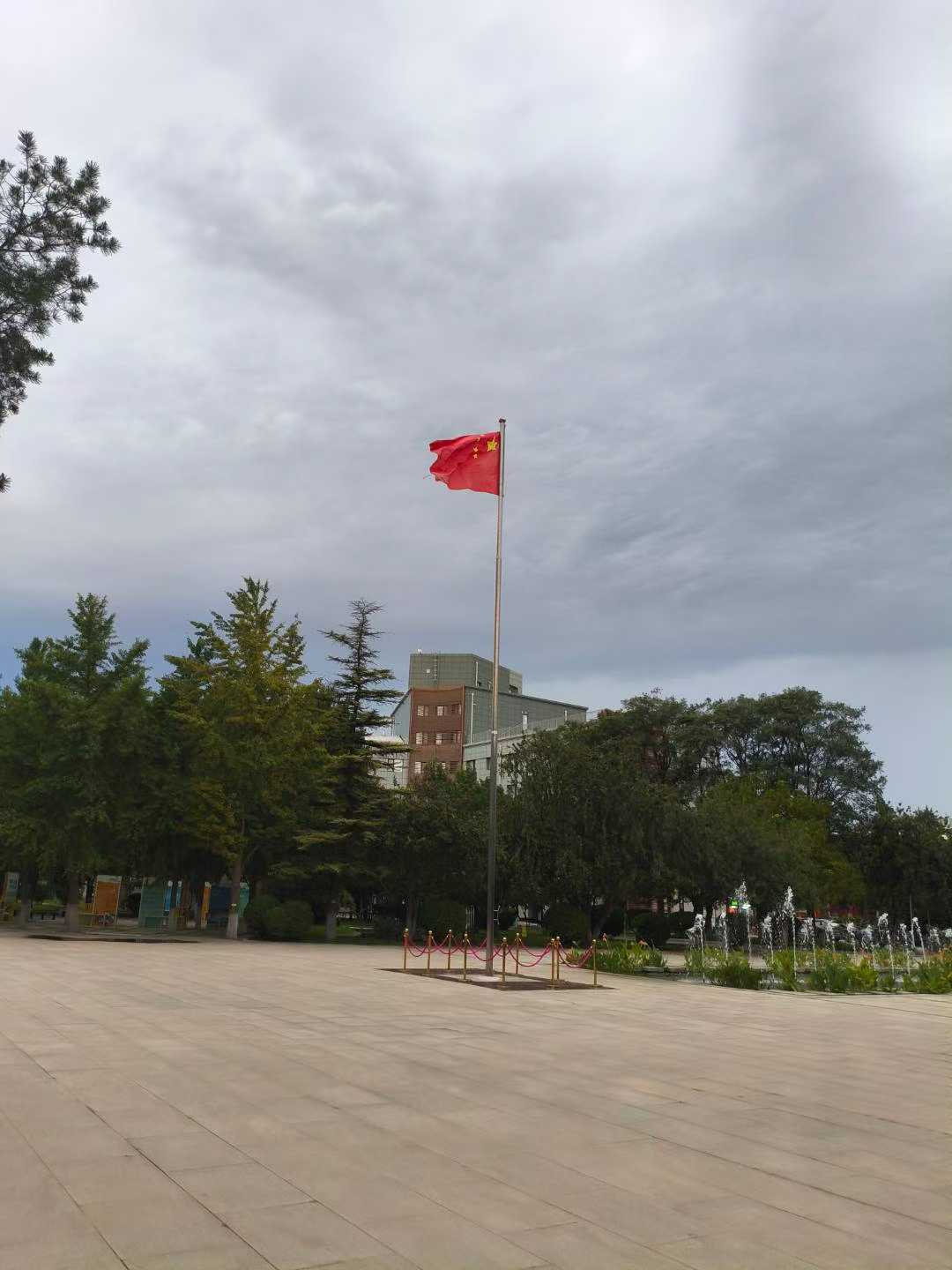
Parks as vast as forests, trees lining eight-lane roads, and sprawling green spaces that seem to swallow the surrounding towers. There, within those spaces, the crowds disappear. Families sit on the grass, the elderly practice their exercises in slow motion, as if the entire city has paused to catch its breath.
In contrast, the residential towers rise like concrete jungles, yet their facades go dark at night, like ghost cities.
In the subway, millions move like a single hive of bees, but no glances meet; everyone is absorbed in their screen.
Even in tourist temples, amidst the long queues, spirituality feels scattered between selfie cameras and artificial incense.
Why This Stillness?
This stillness I felt is not a negative emptiness, but a reflection of three things:
Quiet Individualism: Amidst this crowd, the Chinese person practices their individualism quietly. Each in their own digital world, each in their own earphones, each in their own private zone. This isn't isolation, but rather 'boundaries' that protect the self from collective suffocation.
An Extremely Fast Pace of Life: When a person spends 12 hours between work and commuting, their physical presence becomes like a 'ghost' passing through without leaving a trace on the place.
Vast Concrete Spaces: Expansive plazas, enormous malls, eight-lane roads; architecture that creates a feeling of miniaturization, where the individual is lost like a drop in the ocean.
What You Wouldn't Expect
Calm Within Chaos: The miniature gardens of Suzhou tucked between skyscrapers, and the elderly playing Mahjong with the concentration of meditators.
Double Speed: A train hurtling at 350 km/h, while a passenger inside reads a Tang Dynasty poetry collection on their phone.
Digitization as Daily Ritual: Paying with WeChat even at a fruit vendor's stall, as if technology didn't arrive as a tool, but as an extension of the collective spirit.
A Reciprocal Smile: When you smile at them, they smile back spontaneously, as if they were waiting for you to make the first move.
Redefining Time: The sight of grandmothers practicing Tai Chi at dawn with such slowness forces you to pause and contemplate what the word 'time' truly means.
An Unforgettable Taste: A plate of dumplings in a local eatery doesn't resemble any recipe I've read, because it carries the flavor of home there, not just the taste of food.
In Conclusion...
Perhaps China, in its wisdom, understands that the soul is not forged in crowded streets, but in a green clearing that gives a person the chance to be alone amidst a million who are not alone.
And so I returned, my eyes full of greenery, and my heart full of questions. For in the corners of those gardens, I saw a reflection of our own void too—we Arabs—in our own familiar crowds.
China is neither crowded nor empty; it is a green canvas waiting for someone to fill it with words."